
Seasonal Work in the Netherlands – Is It Still Worth It in 2026?
August 3, 2026
Organizer
Organized through: WORKRADAR.EU
Article
The Netherlands has long been one of the most popular destinations for seasonal workers from Poland and other Central and Eastern European countries. Every year, thousands of people travel there to work in greenhouses, fruit and vegetable harvesting, flower production, warehouses, logistics centers, and food manufacturing.
However, with the rising cost of living and accommodation, many people are asking the same question: Is seasonal work in the Netherlands still worth it in 2026?
The answer is yes—but only if you choose the right employer and job offer. Working conditions can vary significantly between recruitment agencies and companies, so it's essential to carefully review every aspect of the employment contract before leaving.
Where Is It Easiest to Find Seasonal Work?
The largest number of vacancies can be found in industries such as:
- greenhouse horticulture;
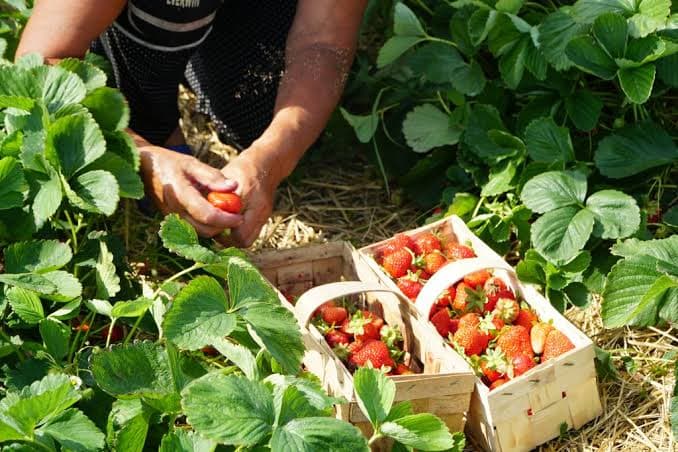
- fruit and vegetable harvesting;
- food sorting and packing;
- warehouses and logistics centers;
- food production.
Demand is highest between spring and autumn, although many companies recruit throughout the year, especially for warehouse and manufacturing positions.
How Much Can You Earn?
As of July 1, 2026, the official minimum wage for employees aged 21 and over is €14.99 gross per hour.
Many employers, however, offer higher hourly rates, particularly for shift work, evening shifts, weekends, and overtime.
Typical hourly wages include:
- greenhouse work – €15–17 gross per hour;
- packing and sorting – €15–18 gross per hour;
- warehouse jobs – €15–19 gross per hour;
- forklift operators – €17–22 gross per hour;
- production work – €15–20 gross per hour.
Additional payments for overtime, evening shifts, and weekend work can significantly increase monthly earnings.
Can You Save Money?
Yes—but it largely depends on accommodation costs and the number of hours you work.
Housing is usually the biggest expense. When working through a recruitment agency, accommodation costs are often deducted directly from your salary.
Before accepting a job offer, you should always check:
- the weekly cost of accommodation;
- how many people share the house or apartment;
- the distance between the accommodation and the workplace;
- transportation costs.
With full-time employment and regular overtime, many seasonal workers are still able to save a significant portion of their income.
What Should You Watch Out For?
Not every job offer is equally attractive.
Before signing a contract, make sure the employer provides:
- a legal employment contract;
- guaranteed minimum working hours;
- transparent accommodation deductions;
- health insurance;
- clear payment conditions.
Be particularly cautious of advertisements promising exceptionally high salaries without explaining working hours, accommodation costs, or other employment conditions.
Is Speaking Dutch Necessary?
For most seasonal jobs, knowledge of Dutch is not required.
Basic English is often sufficient, and many companies employ Polish-speaking coordinators to support international workers.
Nevertheless, speaking English or Dutch remains a valuable advantage and often leads to better-paid positions and more career opportunities.
Who Is Seasonal Work Suitable For?
Seasonal work in the Netherlands is an excellent option for people who:
- want to earn extra money quickly;
- plan to work abroad for several months;
- have no previous international work experience;
- want to start a career in logistics or manufacturing.
For many workers, a seasonal job becomes the first step toward long-term employment in the Netherlands.
Is It Still Worth Going?
Despite rising living costs, the Netherlands remains one of Europe's most attractive destinations for seasonal employment.
Competitive hourly wages, legal employment, a large number of vacancies, and the opportunity to work overtime continue to attract thousands of workers every year.
The key to a successful experience is choosing a reliable employer and carefully reviewing all employment conditions before signing the contract.
Conclusion
Seasonal work in the Netherlands remains a profitable option in 2026. Although accommodation and everyday living expenses have increased, wages have also risen significantly. With the right job offer and enough working hours, it is still possible to save several thousand euros during a single season.
If you're planning to work in the Netherlands, don't focus solely on the hourly wage. Compare guaranteed working hours, accommodation costs, additional benefits, and contract conditions before making your decision. You can also find the latest seasonal job opportunities in the Netherlands on WorkRadar.eu.